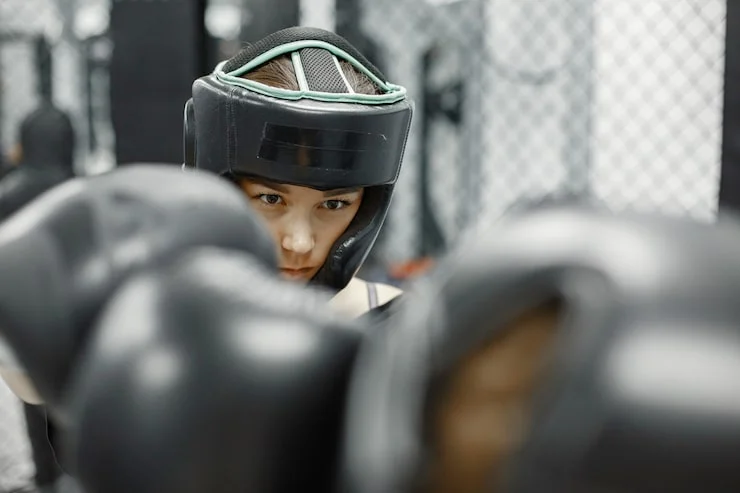
Walking into an MMA gym for the first time is confusing. The equipment list looks long. The prices add up fast. And most guides online try to sell you things you will not touch for six months.
Here is the truth from someone who has watched beginners quit after wasting money on gear they never used. You need less than you think. You need it for specific reasons. And you need to buy in the right mma training equipment for beginners.
This guide covers what matters for your first few months. No fluff. No gear you will not use.
Start With the Absolute Basics
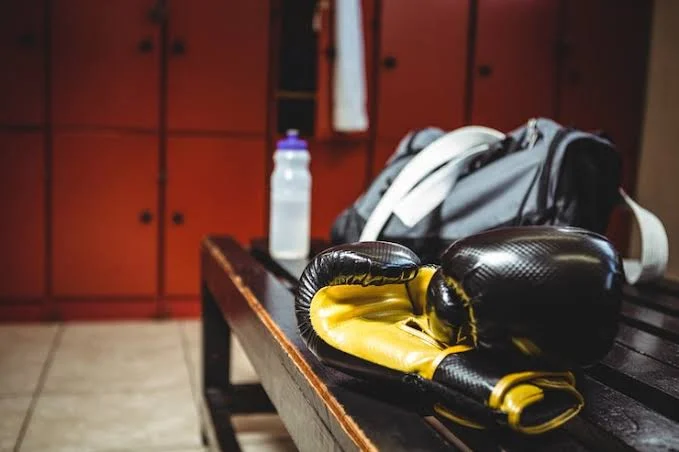
Your first class will probably loan you gloves and wraps. Most gyms keep a bin of shared gear for trial students. Use it. Do not buy anything until you have taken at least two classes and decided you are coming back.
Once you commit, three items come first. Everything else can wait.
Hand Wraps
Hand wraps protect the small bones in your hand and wrist when you punch. Without them, a misplaced hook on a heavy bag can leave your knuckles sore for a week.
Buy two pairs of cotton wraps, about 180 inches long. Learn to wrap your hands properly before class. Ask a coach to check your wrap job the first few times. A loose wrap slides and does nothing. A tight wrap cuts circulation. There is a middle ground, and it takes practice.
Cost: ten to fifteen dollars per pair. Buy two so you always have a clean set.
Read Also: James Johnson MMA Fight Highlights: Inside the NBA's Toughest
Training Gloves
You need gloves for bag work and pad work. Beginners often buy boxing gloves that are too heavy or MMA gloves with too little padding.
For your first months, get a pair of all-purpose training gloves. Look for open-finger MMA gloves with at least one inch of dense foam over the knuckles. The padding protects your hand and your training partner. The open fingers let you grab and clinch, which boxing gloves do not allow.
Sizing matters. Most brands run small. Measure your hand around the palm and check the size chart. A glove that shifts when you make a fist will rub your skin raw.
Do not buy the cheapest pair on the shelf. The foam breaks down in weeks and you will replace them before the year ends. A mid-range pair from a known brand lasts longer and protects better.
Cost: forty to eighty dollars.
Mouthguard
A mouthguard is not optional. Even in light drilling, an accidental knee or elbow can crack a tooth. Dental work costs hundreds. A mouthguard costs twenty.
Buy a boil-and-bite mouthguard from a sporting goods store. Follow the instructions exactly. Boil the water, drop the guard in for the stated time, bite down firmly, and hold for thirty seconds. If it feels loose when you test it, reboil and try again.
Do not wear a mouthguard from another person. Ever.
Cost: fifteen to thirty dollars.
What Comes Next
After a month of consistent training, add these items. They make training safer and more comfortable, but they are not urgent on day one.
MMA Shorts
Regular gym shorts have pockets. Pockets catch fingers during grappling and rip. They also have loose fabric that gets tangled.
MMA shorts are cut close to the leg, have no pockets, and use stretch panels in the crotch and inner thigh. You do not need a fifty-dollar fight-brand short. A basic pair from a sports store works fine for beginners.
Buy two pairs so you always have a clean set. Wash them after every class. Mat bacteria does not care about your laundry schedule.
Cost: twenty-five to fifty dollars per pair.
Shin Guards
You will start light kicking drills within the first few weeks. A shin guard protects your shin bone from your partner's knee and protects your partner from your shin.
Beginners do not need competition-grade guards. A simple slip-on guard with elastic straps works. Check that the strap sits above your calf and below your knee. If it slides during a kick, tighten it or try a different brand.
Cost: thirty to sixty dollars.
Headgear
Headgear protects against cuts and bruises during sparring. Beginners should not spar hard in the first months. But even controlled sparring involves contact.
Buy a basic open-face headgear that does not block your vision. Adjust the straps so it sits snug but not tight. If you can shake your head and the gear shifts more than an inch, it is too loose.
Some gyms require headgear before you can spar. Ask your coach what their rule is before you buy.
Cost: forty to seventy dollars.
You May Also Like: Behind the Scenes of Amateur MMA: Training and Preparation
What You Do Not Need Yet?
Social media and gear websites will push these items on beginners. Skip them for now.
Competition gloves. Fight gloves have less padding. They are for competition, not training. Using them on a heavy bag will hurt your hands.
A heavy bag for home. Most beginners do not have the space, the mounting hardware, or the technique to use a heavy bag safely. Bad habits form fast when no coach is watching. Train at the gym first.
Custom mouthguards. A dentist-made guard costs over a hundred dollars. You do not need one until you start hard sparring or competing.
Name-brand rash guards. Any tight-fitting athletic shirt works under your training shirt. Save the money for gloves that fit properly.
Ankle supports and knee sleeves. These are useful for people with existing injuries. They are not a requirement for healthy beginners. Adding support you do not need can weaken the joints you are trying to protect.
How to Buy Without Getting Ripped Off
Walk into a sporting goods store and the staff may push you toward the most expensive item on the shelf. Here is how to avoid that.
Check the return policy first. Gloves and shin guards need to fit properly. If the store does not accept returns on worn gear, buy from a place that does.
Try gloves on before buying if you can. Make a fist. The glove should feel snug around your hand but not tight across the knuckles. Wiggle your fingers. If the glove restricts movement, go up a size.
Read the care label. Most gloves are synthetic leather and cannot go in the washing machine. Wipe them down with a damp cloth after every class and let them air dry. Never leave wet gloves in your gym bag. The smell does not come out.
Ask your coach before buying anything expensive. Coaches see beginners every week. They know which brands fall apart and which last. A five-minute conversation can save you fifty dollars on gear that will not survive three months.
The Gear Checklist for Your First Month
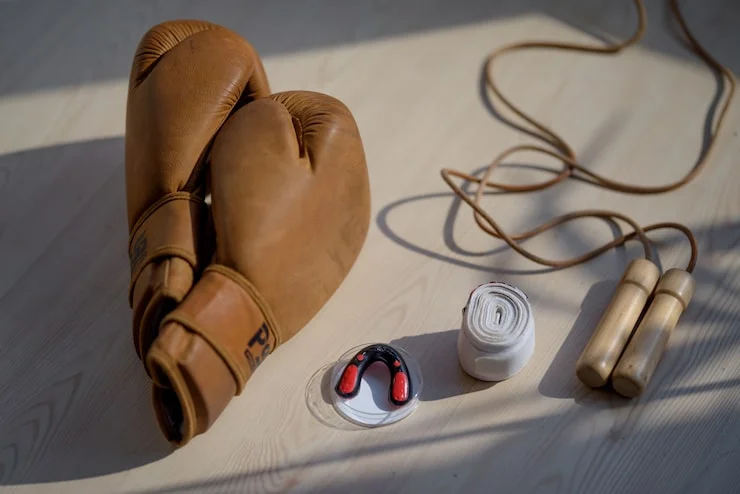
Here is what you actually need before your first class:
- Hand wraps (two pairs)
- Training gloves (one pair, properly fitted)
- Mouthguard (boil-and-bite, fitted at home)
- Water bottle (gyms are hot, you will sweat)
- Flip-flops for the locker room and shower area
That is it. Everything else waits until you have trained consistently for a few weeks and know you are mma training equipment for beginners.
The best equipment for a beginner is not the most expensive or the most technical. It is the gear that fits properly, protects the parts of your body that take the most impact, and does not empty your bank account before you have decided whether you love the sport.