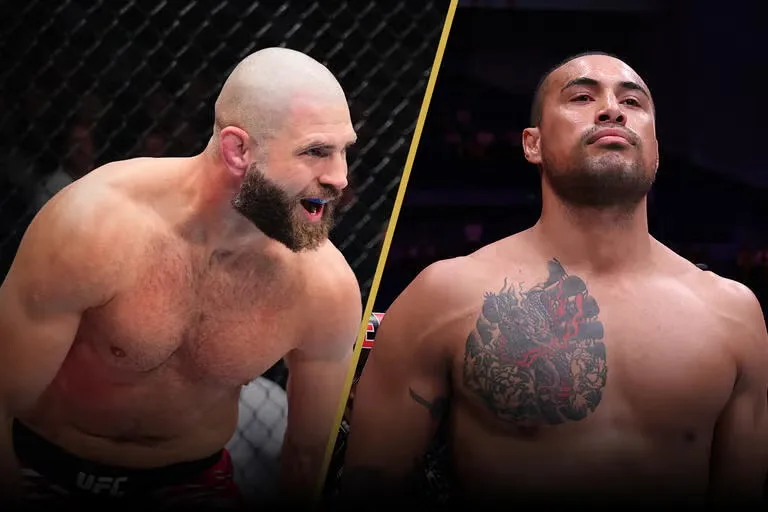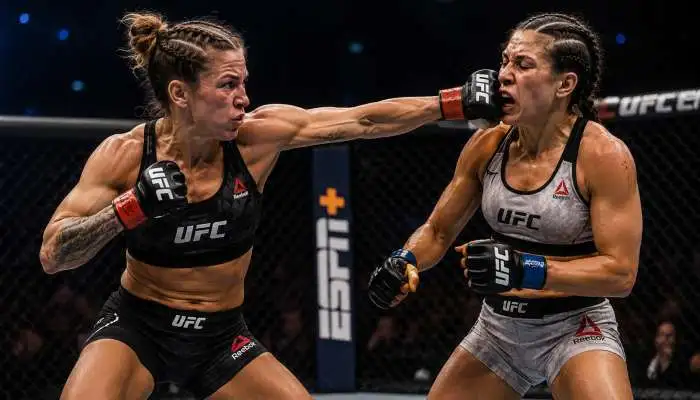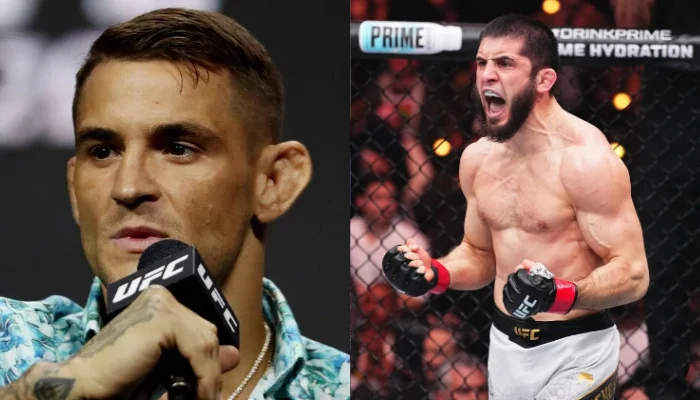
Dustin Poirier claims Islam Makhachev rehydrated to roughly 192 pounds on fight night at UFC 302, a staggering 16-pound advantage over The Diamond, who stepped into the cage at 176 pounds. This explosive revelation came during a recent Joe Rogan Experience podcast, immediately sparking a fierce rebuttal from the current UFC Welterweight Champion.
While the UFC keeps official fight-night weights private, this claim has reignited a crucial debate about extreme weight cutting, fighter safety, and the very integrity of the lightweight division.
The Night The Diamond Felt the Size Difference
When you step into the Octagon, you expect to face a world-class athlete. But when Dustin Poirier locked eyes with Islam Makhachev under the bright lights of the Prudential Center in Newark, he knew immediately this wasn't just any lightweight.
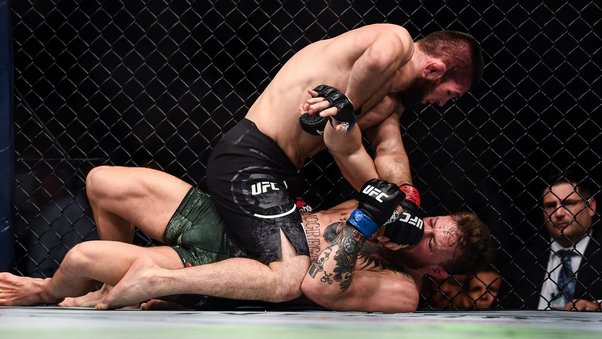
Anyone who watched UFC 302 saw the visual disparity. Poirier looked like a lean, veteran warrior, while Makhachev appeared carved from granite, with veins snaking across his shoulders. For months, fans speculated about the size difference, but we never had a number—until now.
Sitting across from Joe Rogan, the retired legend didn't hold back. He detailed a private conversation with UFC executive Hunter Campbell, where the promotion's closely guarded fight night weight records were opened up. What Poirier heard left him stunned. The Dustin Poirier claim about Makhachev weight gain isn't just locker room talk; it is an allegation backed by what Poirier describes as official internal data.
But did Makhachev really balloon up to nearly 192 pounds less than 24 hours after tipping the scales at 155? Or is this a case of beaten fighter’s memory? Let’s break down the numbers, the science of MMA hydration, and the direct responses from the champion himself.
Dustin Poirier Claim About Makhachev Weight Gain on the JRE
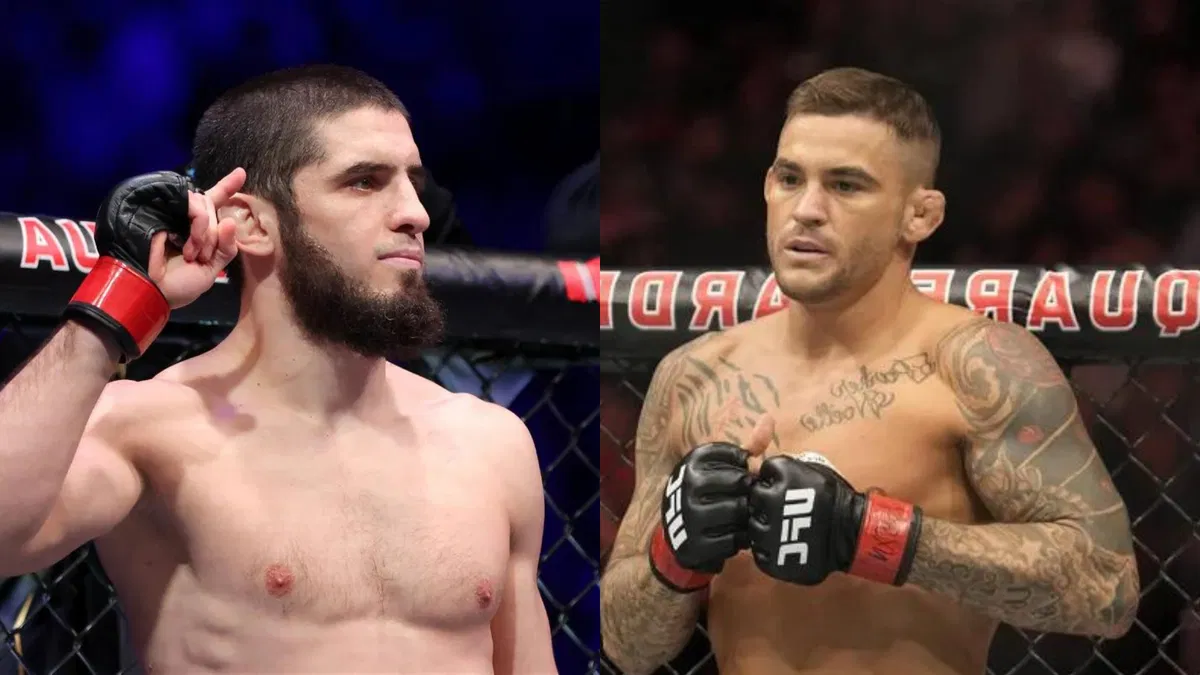
192 Pounds: Poirier Drops the Exact Number That Shocked Rogan
The atmosphere in the studio shifted when Dustin Poirier revealed the specific digits. It wasn't a vague he was heavier than me. It was precise.
Joe Rogan, a man who understands the brutality of weight cutting intimately, reacted with visible disbelief. Poirier went on to explain that Hunter Campbell pulled up the file on the computer right there in his office. The UFC does not release these figures to the public to avoid controversy, but they maintain the data for health and regulatory tracking.
Context is king here. To rehydrate from 155 pounds to 192 pounds means Makhachev would have had to replenish 37 pounds of fluids and mass in a single day. For a high-level athlete, this pushes the boundaries of human physiology.
Poirier described the visual confirmation of this mass, noting the vascularity in Makhachev's shoulders—a tell-tale sign of low body fat combined with immense muscle maturity that simply doesn't exist at a walk-around weight of 170.
You may also read :- Dana White Responds to Conor McGregor–Jorge Masvidal Fight Buzz
Verifying the Validity: Does the UFC Really Hide Fight Night Weights?
You might be wondering, Why haven't we seen these numbers before?
The UFC’s official stance has always been to protect the mystique of the sport, but insiders know the real reason is liability. If the California State Athletic Commission or the New Jersey Athletic Control Board released data showing a fighter gaining nearly 25% of their body weight in water post-weigh-in, it would expose the dangerous loopholes in the current weight-cutting system.
However, has zero reason to lie about a conversation that happened in a high-level executive office. As a man who has fought everyone from Conor McGregor to Max Holloway, his expert opinion on fighter size carries significant weight. He isn't a conspiracy theorist; he is a first-hand witness who felt the physical pressure of a 192-pound frame pressing down on him in the fifth round.
Expert Insight: When you cut that much weight, you aren't just bigger; you are denser. Your bones are heavier, your grip is like iron. Poirier’s assessment aligns with the biomechanics we see in Makhachev’s wrestling—he moves like a welterweight trapped in a lightweight's contract. — Anonymous MMA Strength & Conditioning Coach.
Islam Makhachev Fires Back: The 80kg Ultimatum
Makhachev’s Telegram Rebuttal: I Have Never Weighed More Than 80kg
Just as the podcast clip went viral across Twitter (X) and Reddit, the internet’s algorithm delivered the news to Dagestan. Known for his calm demeanor but fierce pride, immediately took to Telegram to extinguish the fire.
I’ve never weighed more than 80 kg [176 pounds], ever, Makhachev wrote .
This is a direct contradiction to the Dustin Poirier claim about weight gain. 80 kilograms is exactly 176.3 pounds. The reigning champion insisted that even at his absolute heaviest, fully fed and hydrated, he has never crossed that threshold.
But wait—how do we reconcile this with the fact that he has since moved up to Welterweight and looks visibly thicker?
Analyzing the Welterweight Bulk Timeline
Here is where the timeline becomes crucial.
- UFC 302 (June 2024): Makhachev defends Lightweight title vs. Poirier. Claimed fight weight: *Poirier says 192 lbs / Makhachev says 176 lbs.
- UFC 311 (2025): Makhachev fights Renato Moicano. Official in-cage measurements suggested Makhachev weighed 178 pounds that night .
- UFC 322 (Nov 2025): Makhachev defeats Jack Della Maddalena to win the Welterweight title. Leading up to this fight, Makhachev admitted his weight had crept up to 86.4 kg (190.5 lbs) during training camp .
So, who is telling the truth?
It is entirely possible that both men are right. Makhachev might have genuinely never hit 192 at the time of the Poirier fight. However, Dustin Poirier might have misread the date on the file in Hunter Campbell’s office. Perhaps the 192 lbs notation was from a training camp weight check for Makhachev’s move to 170, not the specific night of UFC 302.
The Science of the Cut: How Fighters Break the Scales
The Extreme Weight Cutting Phenomenon in the UFC
To understand this controversy, we have to look at Sean Brady. Just months ago, Sean Brady entertained the idea of dropping to 155 lbs. He went to the UFC Performance Institute (PI), got a DEXA scan, and dieted hard. The result? Even at a shredded 7% body fat, Brady couldn't get below 190 lbs walk-around weight.
The guys at the PI said I’d have to cut off a limb to try and make it, Brady laughed. This context is vital. If a natural Welterweight like Brady sits at 190 lbs at 7% body fat, who is shorter and has a different skeletal frame would likely need to be significantly less muscular or carry much less water weight to fit into the 155 lb division.
Breaking Down the Fight: When Weight Tells the Story
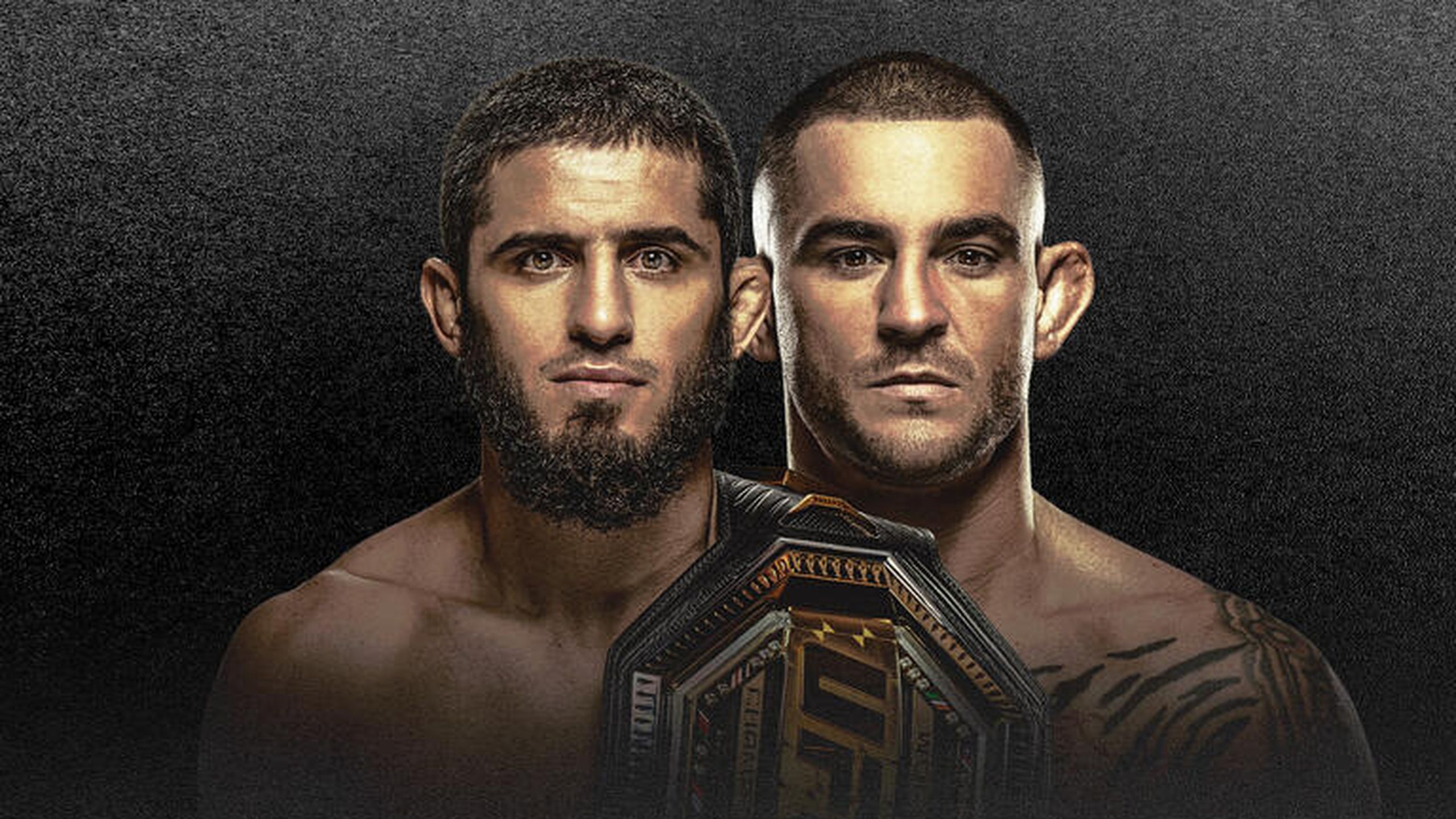
The Veins in the Shoulders Detail Poirier Noticed Immediately
Poirier described the moment he knew he was in trouble. It wasn't when the bell rang; it was during the staredown. I looked across at him under the spotlights, and he had veins in his shoulders, Poirier recalled . For fighters, visible shoulder veins indicate a specific type of dry muscle fullness that usually requires a heavy caloric surplus to maintain.
Typically, a fighter cutting down to 155 looks drawn and gaunt at the weigh-ins. But Makhachev looked healthy, full, and strong. Poirier realized he wasn't fighting a lightweight; he was fighting a middleweight who had mastered the art of the weight bully strategy.
The Brabo Choke Nightmare: Technique Fueled by Size
It wasn't just the weight on the scale; it was the weight in the choke. Poirier provided a masterclass breakdown of Makhachev’s finishing sequence, which is often overlooked in the weight debate.
Usually, you feel it slowly fading away? It was quick, right away. The darkness started coming in as soon as he got the grip, Poirier explained. He detailed how Makhachev utilizes a forearm choke, rather than the traditional D’Arce bicep squeeze.
Why does size matter here?
To lock in a forearm choke effectively from the top position, a fighter needs immense lat spread and pectoral strength to drive the shoulder into the opponent's neck while pulling the arm. A 176-pound fighter can do this. A 192-pound fighter crushes you while doing it. The physical pressure Poirier described validates his feeling that the mass pressing down on him was significantly more than the 15-pound official weight difference.
The Aftermath: Makhachev’s Permanent Move to 170 lbs
I’m 34 Now: Why Islam Will Never See 155 Again
Since the controversy erupted, Islam Makhachev has effectively shut the door on the lightweight division.
Speaking to TNT Sports prior to UFC 322, Makhachev cited his age and health as the primary motivators for staying at Welterweight.
I’m 34 years old... I have to take care of my body and my health. I think welterweight is better for me, Makhachev stated .
Even his mentor, Khabib Nurmagomedov, has urged him to stay at 170. This move is a tacit admission that the weight cut to 155 was indeed becoming dangerous—or impossible—for his frame.
If Makhachev is now competing comfortably at 170, and walking around near 190 during off-season training, it lends credibility to Poirier’s assertion that he was likely pushing 185+ during their encounter. After all, you don't accidentally move up a weight class unless the previous one was squeezing the life out of you.
The Great Weight Debate
Community Sentiment: Is Poirier Sour Grapes or a Whistleblower?
The MMA community is split down the middle.
- Team Poirier argues that the UFC’s refusal to release fight night weights protects cheaters who exploit the system. They view Poirier as a transparency advocate.
- Team Makhachev argues that Poirier is simply trying to justify a loss that happened deep in the championship rounds. They point out that Makhachev weighed less than Michael Chandler did on fight night when Chandler fought Poirier.
How This Affects Makhachev’s Legacy as a Double Champion
Contextualizing the Win: Does Size Diminish the Victory?
If the Dustin Poirier claim about weight gain is proven true (via a hypothetical future data leak), does it tarnish Makhachev’s legacy?
Probably not. Makhachev didn't break any rules. The UFC allows a 24-hour window to rehydrate. His ability to manipulate his weight is a skill, just like his Sambo or punching accuracy. However, it does contextualize how he felt so dominant.
Poirier, entering the cage at 176, was fighting at his natural weight. Makhachev, entering at a speculated 192, was fighting at a manufactured weight. The size disparity explains why Poirier’s takedown defense—usually elite—seemed to falter under the sheer gravitational load of Makhachev’s hips.
Conclusion: The Weight of a Legacy
The Dustin Poirier claim about Makhachev weight gain has done more than just generate headlines; it has pulled back the curtain on the dirty secret of combat sports—the nightmare of weight cutting.
Whether you believe the Diamond's memory of the UFC database or the Eagle's vehement denial, one fact remains unshaken: Islam Makhachev is a massive human being who mastered the lightweight division. Poirier’s willingness to speak out serves as a warning to the next generation of fighters.
As Makhachev settles into his reign at 170 pounds, we finally get to see the real Islam—the one who doesn't have to starve himself to touch the canvas. And as for Poirier? He walks away from the sport with the reputation of a man who was willing to fight giants... even if they technically weighed in as lightweights.
FAQ
What exactly did Dustin Poirier say about Islam Makhachev's weight?
Dustin Poirier claimed that during their UFC 302 fight, internal UFC records viewed by Hunter Campbell showed Islam Makhachev rehydrated to approximately 192 pounds, while Poirier himself weighed 176 pounds on fight night .
Did Islam Makhachev respond to the 192-pound allegation?
Yes. Islam Makhachev immediately responded on his Telegram channel, denying the claim entirely. He stated, I’ve never weighed more than 80kg (176 pounds), ever .
Is it physically possible for a lightweight to weigh 192 pounds on fight night?
While extreme, it is possible. However, it requires significant muscle mass and rapid rehydration protocols. For context, Sean Brady attempted to cut to lightweight but remained stuck at 190 lbs even at 7% body fat, proving that some frames simply cannot safely make 155 .
Why doesn't the UFC release official fight night weights?
The UFC typically avoids releasing these numbers to prevent backlash against fighters who utilize extreme weight cuts. It also helps them avoid scrutiny regarding fighter safety and the integrity of the weight class system .
Will Islam Makhachev ever fight at lightweight again?
Highly unlikely. Makhachev has permanently moved to Welterweight, citing his age (34) and the desire to protect his long-term health. He is now the reigning UFC Welterweight Champion .